Tree Hazard Prevention
Tree Hazard Prevention in Charlotte NC
Trees contribute shade, visual appeal, and natural character across Charlotte NC, yet unmanaged growth or structural weaknesses can lead to significant safety concerns. Tree hazard prevention focuses on identifying risks early and addressing unstable conditions before they cause property damage, personal injury, or costly emergency removal. Adonai Tree Services provides professional hazard prevention services that prioritize structural stability, storm readiness, and long-term safety around homes, businesses, and public spaces.
Charlotte is known for periods of heavy rain, strong wind, and seasonal storms that test the strength of mature trees. Without proactive care, weak branches or compromised trunks may fail under pressure, resulting in unexpected hazards. Hazard prevention helps maintain safe residential yards and commercial landscapes by correcting vulnerabilities that often go unnoticed until they become emergencies.
Understanding Tree Hazards and Risk Factors
Hazard prevention begins with recognizing the early signs of structural issues. Damage from past storms, disease, soil shifting, and improper growth patterns can slowly weaken a tree over time. Many hazards develop internally or at the root system, meaning the risk may not be visible from a distance. A thorough evaluation ensures hidden problems are discovered before they impact nearby structures, sidewalks, vehicles, or gathering spaces.
Indicators That a Tree May Be Unsafe
Deep cracks along the trunk signal internal weakness. Exposed roots that lift sidewalks or driveways often indicate instability below the soil surface. Large dead branches within the canopy pose a risk of falling without warning. Hollow cavities inside the trunk reduce structural support, especially in older trees. Excessive leaning toward houses, streets, or play areas suggests root imbalance or internal decay. Fungi growing around the base of the tree may point to root rot deep underground.
Environmental Conditions That Increase Hazards
Heavy rainfall saturates the soil and weakens root anchoring, making tall trees more likely to shift or topple. High winds place added strain on overloaded branches, especially if the canopy has not been thinned. Rapid temperature changes cause bark to crack and branches to break more easily. In older neighborhoods, compacted soil and limited root space reduce a tree’s ability to maintain structural strength. Hazard prevention focuses on reducing these risks before seasonal weather magnifies them.
Structural Evaluations to Identify Weaknesses
Tree hazard prevention services in Charlotte NC rely on detailed evaluations to determine which trees require corrective measures. Adonai Tree Services assesses the age, species, growth pattern, and health of each tree while examining areas where stress typically develops. Detecting structural imbalances helps guide decisions about trimming, cabling, bracing, or removal if necessary.
What Evaluations Reveal About Tree Stability
Assessments uncover signs of internal decay that are not always visible from the surface. Root inspection reveals whether soil erosion or water pooling has undermined stability. The density of branches within the canopy may show areas where overgrowth is placing excess strain on weak limbs. Evaluations also highlight where pruning or weight reduction could restore balance and reduce breakage potential. Once diagnosed, a plan is developed to correct issues without compromising tree health.
Monitoring Younger and Mature Trees Differently
Younger trees may require directional trimming to prevent future hazards caused by improper branching. Mature trees often need selective thinning to distribute weight evenly throughout the canopy. While both age groups benefit from hazard prevention, the approach varies depending on root development, limb density, and trunk diameter. Corrective action taken early prevents long-term structural problems that become harder to manage as a tree ages.
Reducing Breakage and Collapse Through Preventive Trimming
Trimming plays a major role in hazard prevention by eliminating deadwood, reducing canopy density, and controlling weak branch angles. Regular maintenance ensures high-risk limbs do not detach during storms, decreasing the chances of damage to nearby buildings or parked vehicles. Adonai Tree Services trims with a focus on hazard reduction rather than cosmetic shaping, keeping the tree strong without altering its natural character.
Targeting High-Risk Areas During Trimming
Branches that extend over rooftops, driveways, or walkways are examined to determine whether they require removal or thinning. Weight-heavy limbs positioned unevenly across the canopy are reduced to prevent sudden breakage. Crossed or rubbing branches are trimmed to stop friction wounds that weaken structural integrity. Dead or dying sections are removed to eliminate unpredictable break points that can drop during severe weather conditions.
Maintaining Health While Reducing Hazards
Trimming for hazard prevention balances safety with long-term tree vitality. Cuts are placed at strategic points that encourage healthy regrowth rather than weakening the trunk. Over-trimming is avoided to ensure the tree retains enough foliage for photosynthesis and strength. Preventive trimming done correctly allows the tree to withstand storms more effectively and remain a stable presence on the property.
Supporting Trees with Reinforcement and Structural Stabilization
Not all hazard risks require trimming or removal. In some cases, cabling or bracing reinforces vulnerable limbs and helps preserve trees that still hold strong health potential. Structural support offers a protective measure when a tree contains valued features, sentimental importance, or historical relevance.
When Reinforcement Becomes Necessary
Multiple trunk splits increase the chance of separation, requiring cabling to maintain connection. Heavy limbs that stretch horizontally may need bracing to prevent downward breakage during storms. Trees that have experienced partial damage after a previous season often benefit from stabilization to regain strength while maintaining their appearance. Reinforcement supports the tree through seasonal challenges while reducing the risk of unexpected failure.
Long-Term Maintenance for Stabilized Trees
Trees supported by cables or braces still require monitoring to ensure hardware remains functional and safe. Evaluations check tension, attachment points, and canopy weight distribution after growth periods. Continued monitoring ensures stabilization measures remain effective and allows the tree to adapt to environmental changes without renewed hazard development.
Preparing Properties for Seasonal Storms in Charlotte NC
Storm preparation forms a central part of hazard prevention in the region due to the frequency of severe weather. Hazards often increase during late summer and early fall when tropical systems bring strong winds, and winter storms add ice weight to already fragile branches. Proactive measures help prevent emergencies and reduce cleanup after seasonal events.
Steps Toward Safer Storm Readiness
Selective weight reduction minimizes the chances of limbs snapping under pressure. Clearing deadwood improves structural response during heavy gusts. Reinforcing vulnerable limbs helps trees endure repeated wind exposure. Regular monitoring before storm season ensures no emerging risks go unnoticed. Preparing trees in advance gives property owners peace of mind knowing safety concerns have been addressed before weather intensifies.
Tree Removal Services in Charlotte NC
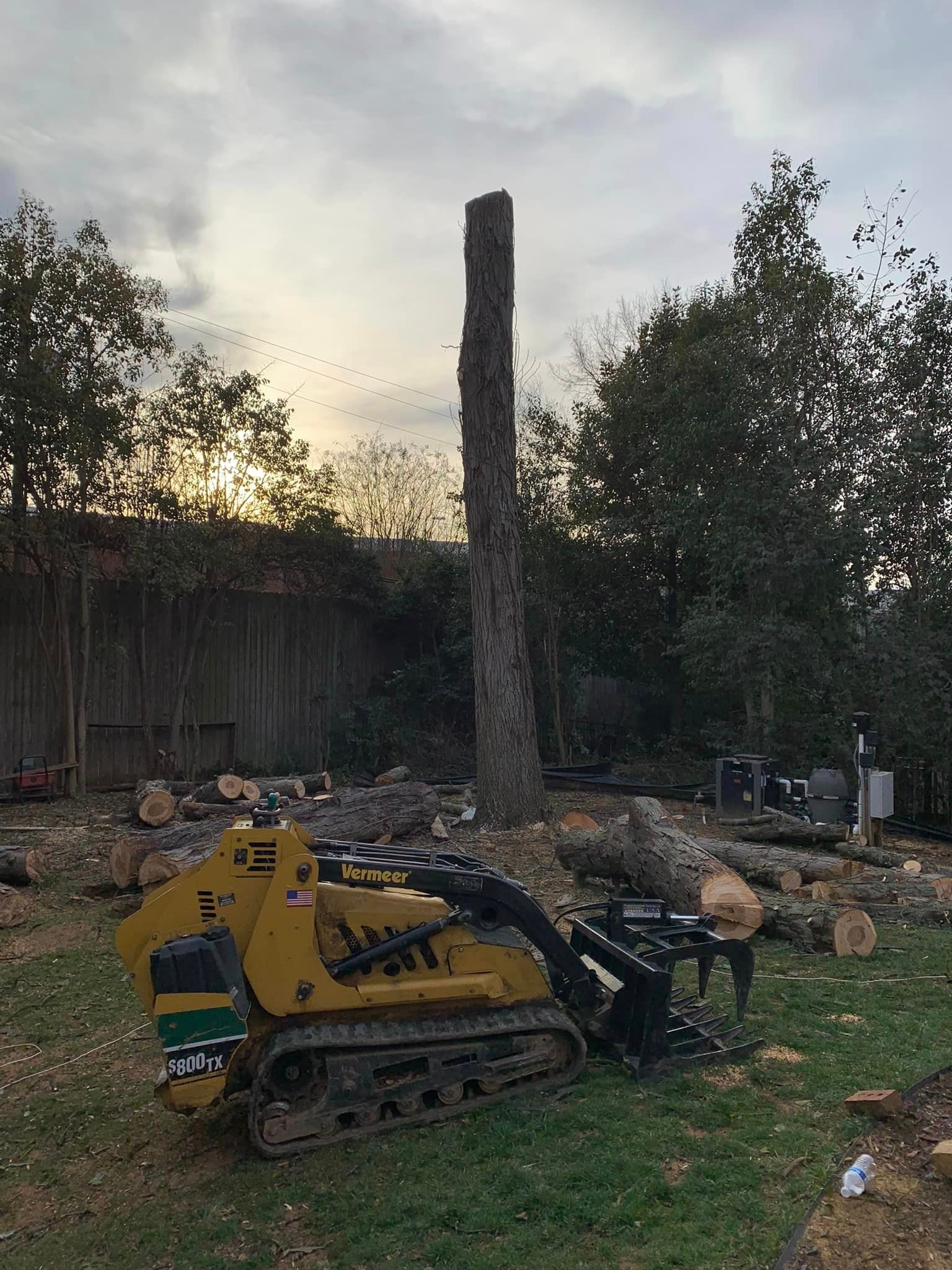
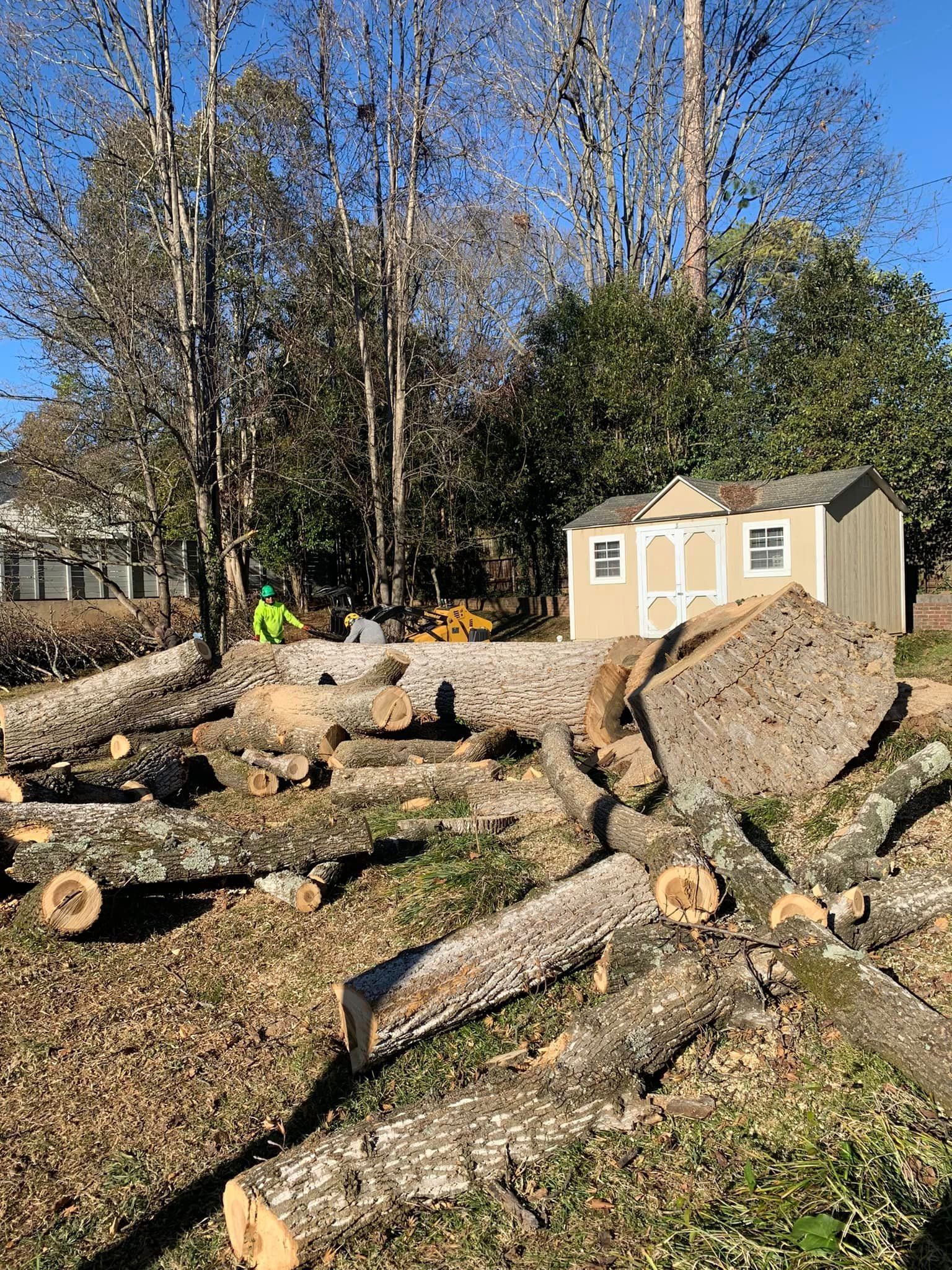
Trees add incredible value to properties across Charlotte NC, but when a tree becomes unsafe, diseased, or damaged beyond repair, removal becomes necessary. Adonai Tree Services provides professional tree removal services designed to protect surrounding structures, maintain landscape safety, and eliminate hazardous conditions. With extensive knowledge of local tree species and regional weather challenges, the team approaches each removal with accuracy and respect for the property while prioritizing safety from start to finish.